









Social media refers to a collection of online platforms that allow users to create, share, and interact with content in various forms such as text, images, video, and audio. These platforms enable communication, collaboration, and community-building on a global scale. They offer different features that appeal to a wide range of users, from individuals to businesses. Social media fosters interactions between users, allowing them to connect based on shared interests, geographic location, or professional networks.
Some examples of social media platforms include:





These platforms each have unique audiences and content styles, but they all allow for interaction, sharing, and the formation of communities. Social media’s role in both personal and professional spheres has expanded significantly, offering powerful social tools across the globe.

Publish regular, compelling content that resonates with your audience.

Targeted strategies crafted to grow and nurture your follower base.

Specific approaches for different social platforms like Facebook, Instagram, Twitter, LinkedIn, and more.

Build authentic connections with your followers.

In-depth insights into your campaigns to measure success and drive future strategy.

See what the competition is doing and capitalize on the opportunities they provide.
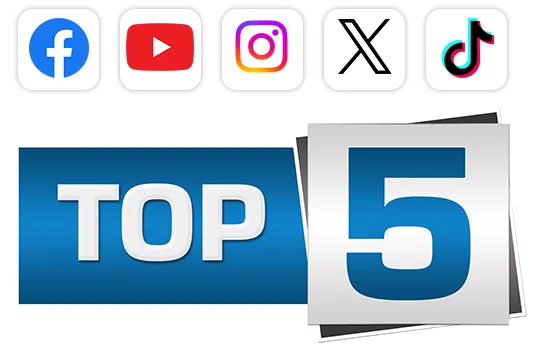
The top 5 social media sites, based on global user count, represent a diverse range of platforms that cater to different content formats and user preferences. These platforms dominate the social media landscape by offering unique features for personal expression, entertainment, networking, and business marketing.
Social media management is the process of managing a brand’s online presence across different social media platforms. This involves a wide range of tasks designed to engage with the audience, build the brand, and achieve specific business goals. The primary objectives of social media management are to create a consistent brand voice, increase engagement, and drive traffic to a business’s website or other digital assets. Here are the key components of social media management:
01
02
03
04
05
06

A social media manager plays a crucial role in overseeing a brand’s social presence and making sure that the company is effectively engaging with its audience. Their responsibilities include various tasks that help a business stay relevant, build its community, and meet specific marketing goals. Here’s a more detailed look at the key responsibilities:
Content is at the heart of social media. Social media managers are responsible for developing various types of content that engage and attract followers. This includes:
Writing posts: Crafting captions and updates that reflect the brand’s voice and message.
Creating visuals: Designing images, infographics, or graphics that are aligned with the brand’s aesthetics.
Video production: Developing short-form videos, such as TikToks or Instagram Reels, or longer videos for platforms like YouTube.
Stories and live content: Using interactive formats like Instagram Stories or live streams to connect with followers in real time.
The content must not only align with the brand’s identity but also meet the platform’s best practices to maximize reach and engagement.
01
Posting content at the right time is just as important as creating it. A social media manager is responsible for:
Planning and scheduling posts using tools like Buffer, Hootsuite, or the platform’s native scheduling tools.
Optimizing post timing by analyzing when the audience is most active so that posts go live at peak engagement times.
Maintaining a content calendar to make sure that posts are planned in advance and that the brand maintains a consistent presence.
Scheduling helps streamline content flow so a brand remains active across all platforms without overwhelming users.
02
Building a community on social media involves more than just posting content. Social media managers engage with followers by:
Responding to comments and direct messages in a timely manner, addressing questions, or offering customer service.
Interacting with users by liking, commenting, or sharing content from followers or influencers within the brand’s niche.
Managing conversations to build relationships with followers and keep them engaged with the brand.
Engagement helps foster trust and loyalty, turning followers into active participants in the brand’s journey.
03
Social media managers track and measure the performance of their content to see what’s working and what needs improvement. This includes:
Monitoring key metrics like engagement rate, reach, impressions, click-through rates, and follower growth.
Using analytics tools such as Facebook Insights, Instagram Analytics, or third-party platforms to gather data.
Making data-driven decisions to refine strategies, adjust posting schedules, or create different types of content based on what resonates with the audience.
Analyzing performance helps the social media strategy by achieving the desired goals, like increasing brand awareness or driving traffic.
04
A social media manager is responsible for creating and refining the overall social media strategy, including:
Setting clear goals such as boosting brand awareness, increasing website traffic, or generating leads.
Choosing the right platforms based on where the target audience is most active.
Planning campaigns that align with the brand’s overall marketing objectives, whether that’s a product launch, a promotional offer, or a special event.
Adapting to trends and changes in algorithms to guarantee the strategy remains effective.
A well-thought-out strategy ensures that every post and interaction aligns with the brand’s bigger picture and business goals.

Deciding whether you need a social media manager depends on your business’s specific needs, your available resources, and your marketing objectives. A social media manager can be a valuable asset if you want to maximize the potential of your social media platforms but lack the time or expertise to manage them effectively. Here’s a deeper look at when you might need one:
01
Why It Matters: Irregular posting can result in reduced engagement and lower visibility due to social media algorithms that favor consistent activity. A manager allows for your audience to hear from you regularly, which builds trust and keeps your brand relevant.
02
Why It Matters: If social media falls by the wayside due to lack of time, you miss opportunities to connect with your audience and expand your reach. A manager guarantees these tasks are handled efficiently.
03
Why It Matters: Social media managers are experts in optimizing content and strategies to get better results, such as more engagement, higher reach, or improved click-through rates. They also stay up-to-date with changes in algorithms so your brand stays competitive.
04
Why It Matters: Engaging with your audience helps build a loyal community and fosters a positive image for your brand. Ignoring followers or being slow to respond can result in lost opportunities and diminished trust.
05
Why It Matters: Analytics provide insights into what’s working and what’s not. Without them, it’s hard to make data-driven decisions. Paid ads can be costly if not managed correctly, but a social media manager can make sure they’re reaching the right audience and delivering a solid return on investment.

Hiring a social media manager is a significant decision, especially for businesses looking to scale their online presence. There are key moments when it becomes clear that bringing in a professional to manage your social platforms can help your business grow more effectively. Here’s when you should consider getting a social media manager:
01
Why It Matters: A growing business has more demands, and managing social media on your own might not be sustainable. A dedicated manager confirms that your brand’s social media efforts align with your overall business goals without you having to constantly oversee them.
02
Why It Matters: Time is a valuable resource. A social media manager can streamline the process by handling day-to-day tasks so that your brand stays active without you having to sacrifice time on core business activities.
03
Why It Matters: A professional and cohesive presence helps build credibility and trust with your audience. A social media manager makes your brand look polished, making it easier for followers to engage with your content and recognize your business.
04
Why It Matters: Paid ads and analytics are powerful tools, but without expertise, you risk wasting money or missing key opportunities to optimize your strategy. A social media manager can run targeted ad campaigns, monitor their success, and adjust strategies based on data, ensuring your investment leads to tangible outcomes.
05
Why It Matters: Analytics provide insights into what’s working and what’s not. Without them, it’s hard to make data-driven decisions. Paid ads can be costly if not managed correctly, but a social media manager can make sure they’re reaching the right audience and delivering a solid return on investment.

Social media management services are professional solutions provided by agencies, freelancers, or in-house teams to manage a brand’s social media presence. These services are designed to help businesses maintain a consistent and effective presence on social media platforms without having to handle all the details themselves. They check that your brand stays relevant, engages with its audience, and meets its marketing goals.
What Does a Social Media Management Package Include?


Ready to Connect With Your Following?
Social media management plays a crucial role in maintaining and growing a brand’s online presence. From creating engaging content to interacting with followers and analyzing performance, a social media manager makes sure that a brand’s message is consistent, authentic, and aligned with business goals. Whether you’re looking to enhance brand awareness, boost engagement, or manage targeted ad campaigns, social media management services can provide the expertise and time-saving solutions needed to succeed in an increasingly competitive digital space. By hiring a dedicated social media manager or utilizing professional management services, businesses can rest assured that their social platforms are not only active but also strategic and effective. With the right management, your brand can build meaningful connections, increase visibility, and achieve measurable growth across social media channels. Spread the word, collaborate with NuStream today!


01
Website design is about more than looks. It’s about ensuring that your website functions flawlessly across all devices.
02
That’s why we specialize in responsive web design and mobile optimization. We’ll make sure your website looks and works great on any phone, tablet, or other device.
03
This process can involve additional code and redesign. The differences in operating systems, screen size, and interface between devices can result in different layouts being optimal.
04
Our talented staff excel at keeping the identity and feel of a website intact when adapting it to work across devices.

01
Let us keep your website secure, fast, and smooth. At Nustream, we’ll make sure you have nothing to worry about.
02
In a world of increasing digital threat, good hosting and security are more important than ever. We will go beyond Distributed Denial of Service (DDoS) protection, hack prevention, and Secure Sockets Layer (SSL) certificates.
03
Our services include backups, restoration, network monitoring, malware scanning and removal, and file management.
04
We use cutting-edge cloud systems to ensure you get the safest, fastest hosting available.

01
Nustream uses cutting-edge tools and research to outmatch the competition.
02
We leverage machine learning and intelligent tools to produce top results without losing the human touch.
03
This allows our prompt engineers to output high-quality results efficiently, allowing them to focus on both the big picture and fine details.

01
Creativity needs to be guided by cutting-edge data and analytics. Our team has a deep understanding of the algorithms that power PPC advertising.
02
We use this knowledge to ensure that your ads are shown to the right people at the right time. As the ads run, our campaign management services provide ongoing maintenance to ensure that your ads are always improving.
03
Our goal is to help you achieve the highest possible return on your investment in paid search advertising.
04
That’s why we Emphasize algorithm training and research as a continuous practice.

01
But on-page optimization is only part of the equation. We also specialize in off-page and off-site optimization.
02
Off-page SEO can include technical aspects of your site and its structure.
03
Off-site SEO involves several digital channels. Quality domains referring high-quality backlinks to your site are essential in competitive fields. Social media engagement is one of the most powerful ways to generate organic interest in your business.
04
Directories and other forms of emerging digital media provide incredible opportunities for growth.

01
Starting with seed keywords we build an exhaustive list of keywords used in your industry.
02
Next, we use a variety of keyword research tools to identify the keywords and phrases that your target audience is searching.
03
Then, we coordinate content and metadata based on what your audience members are looking for right now, also called search intent.
04
This helps us optimize your website’s content to make it more relevant and useful to your target audience.

01
Do you sell products online? Our eCommerce development services can help you launch a professional, secure, and intuitive online store.
02
From product listings to payment processing, we’ll take care of everything you need to get your eCommerce business up and running.
03
At Nustream, we believe that great website design and development is the foundation of any successful online marketing strategy.
04
That’s why we start every contract with an assessment of your company’s online presence.


Increased Engagement

Brand Awareness

Targeted Reach

Lead Generation

Content Strategy

Customer Interaction

Analytics Tracking

Cost Efficiency

Community Building
Reputation Management
Frequently asked questions about digital marketing.


What are the 4 types of digital marketing?
The 4 main types of digital marketing are Search Engine Optimization (SEO), Pay-Per-Click advertising (PPC), Social Media Marketing (SMM), and Content marketing such as blogging or sharing images and videos.
By utilizing a combination of these 4 types of digital marketing, businesses can reach a wider audience and drive more traffic to their website, leading to increased leads and sales.
What does digital marketing do?
Digital marketing refers to the use of digital channels, such as search engines, social media, email, and websites, to promote a product or service. The goal of digital marketing is to reach a target audience and drive profitable customer action, such as increased sales and brand awareness.
Digital marketing allows businesses to reach a wider audience and personalize their marketing efforts through data-driven strategies and targeting. It provides businesses with the opportunity to interact with customers in real-time, gather insights and feedback, and measure the success of their marketing efforts.
Overall, digital marketing helps businesses achieve their marketing goals by utilizing the vast potential of the internet and digital technologies.
What is an example of digital marketing?
An example of digital marketing is a company creating a social media campaign to promote its new product. The company could post engaging content on its social media accounts, such as videos, images, and user-generated content, to create interest and drive engagement among its followers.
The campaign could also include targeted advertisements on social media, reaching users who are interested in the product based on their browsing and purchasing behavior. The company could also use email marketing to reach their subscribers with personalized content and exclusive offers related to the product.
By using a combination of these digital marketing strategies, the company could reach a wider audience, increase brand awareness, and drive sales for its new product. This is just one example of how a company can utilize digital marketing to achieve its marketing goals.
Is digital marketing Easy?
Digital marketing can be both easy and challenging, depending on the specific tactics and strategies involved. Some aspects of digital marketing, such as setting up social media accounts or creating basic email campaigns, can be straightforward and easy to implement.
However, more complex tactics, such as search engine optimization (SEO) or running targeted advertising campaigns, can require specialized knowledge and skills, and may be more challenging for beginners.
Additionally, digital marketing is constantly evolving, with new technologies and platforms emerging all the time. This can make it challenging for marketers to keep up and remain effective.
Overall, while digital marketing can be approachable for some, it can also be a complex and ever-changing field that requires ongoing learning and adaptation. Whether it is considered easy or not will depend on the individual’s background and experience.
By utilizing a combination of these 4 types of digital marketing, businesses can reach a wider audience and drive more traffic to their website, leading to increased leads and sales.
Do you have a digital marketing or web project in mind?
We’d love to hear from you. Our web marketing and development teams can help you launch your new strategy today! We want to give you the BEST internet marketing solution YOU want for your brand.
[gravityform id=”1″ title=”true” ajax=”true”]
Get a performance report for your website with us.