









Pay-per-click (PPC) advertising is an online advertising model where advertisers only pay when someone clicks on their ad. Unlike traditional advertising where you pay a fixed price regardless of engagement, PPC is cost-effective because you’re only charged when the ad achieves its purpose—getting a potential customer to visit your site. PPC ads can be placed across various platforms, including search engines like Google and social media sites such as Facebook, Instagram, and LinkedIn.
The core benefit of PPC is that it allows businesses to reach people actively searching for products or services related to their offerings. By bidding on relevant keywords or targeting specific audience demographics, businesses can ensure that their ads appear in front of the right people at the right time. Whether you’re a small local business or a large e-commerce store, PPC is an efficient way to drive traffic to your website, generate leads, and increase conversions.
PPC is highly customizable. Advertisers can set budgets, choose specific locations for their ads to appear, and adjust their campaigns based on performance. This makes it an adaptable and powerful tool for marketers.

Find out what your competitors are doing to beat them at their own game and to find out what their strategies missed.

Create campaigns and individual ads to show your best face to prospective customers, targeted exactly for them.

Precise, recent data to measure your campaign progress and results.

Actionable insights to identify opportunities for campaign growth.

Use data to grow your campaigns with your business, improving ROI.

Target your demographics on the right platform, with the right ad type, at the right time.
Pay-per-click (PPC) and search engine optimization (SEO) are two different approaches to driving traffic to your website:
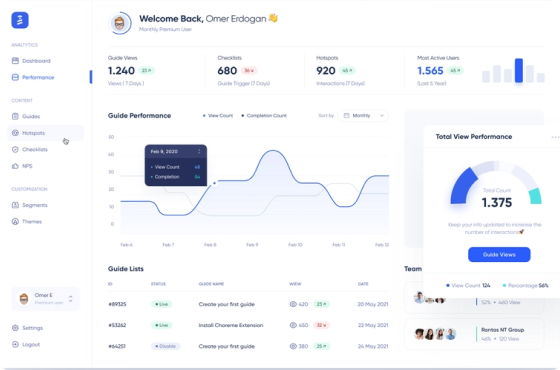
PPC is a paid strategy where you bid on keywords to display ads in search engine results or on platforms like social media. You pay for each click, and your ads can appear immediately after your campaign starts. PPC delivers quick, targeted traffic but requires ongoing investment.
SEO is an organic strategy that involves optimizing your website’s content, structure, and technical aspects to improve its ranking in search engine results pages (SERPs). SEO takes time to show results but provides long-term benefits, driving free traffic once your site starts ranking higher
Both strategies are important for a balanced digital marketing plan. PPC offers quick, guaranteed visibility. While SEO builds sustained, organic traffic over time. Many businesses use both strategies to maximize their online presence.
The pay-per-click (PPC) advertising model is a system where businesses create ads and bid on keywords or target audience segments. The key concept is that you only pay when someone clicks on your ad. For example, if you’re running a campaign for a new product and set a bid of $2 per click, you only get charged $2 every time someone clicks on your ad and is directed to your website.
This model contrasts with traditional advertising, where you pay a set fee upfront for placement regardless of the ad’s performance. With PPC, you’re paying for actual results. Advertisers bid on keywords that their target audience is likely to search for, and the platform uses an auction system to determine which ads are displayed. Factors such as bid amount, ad quality, and relevance to the user’s search query determine where your ad appears on the results page.
The PPC model allows advertisers to directly control their spending and see a clear return on investment (ROI). It’s especially beneficial for businesses that want immediate visibility in a crowded market.
CPC stands for Cost Per Click, which is the amount you pay for each click on your pay-per-click (PPC) ad. For instance, if you’re running a campaign for a local restaurant and the average CPC is $1.50, you’ll pay $1.50 every time someone clicks on your ad and visits your website or landing page. CPC can vary depending on the competitiveness of the keyword, the industry, and the platform you’re using.
The goal is to keep your CPC as low as possible while still getting quality clicks from potential customers. A quality click is one likely to purchase and come back again. If your CPC is too high and you’re not seeing enough conversions (sales, form submissions, etc.), it may not be cost-effective. However, with the right strategy, you can balance a lower CPC with high conversion rates to get more value out of each click.
CPC is a critical metric because it directly impacts the return on investment (ROI) for PPC campaigns. By managing your bids and optimizing your ads, you can lower your CPC while maintaining or increasing traffic and conversions.
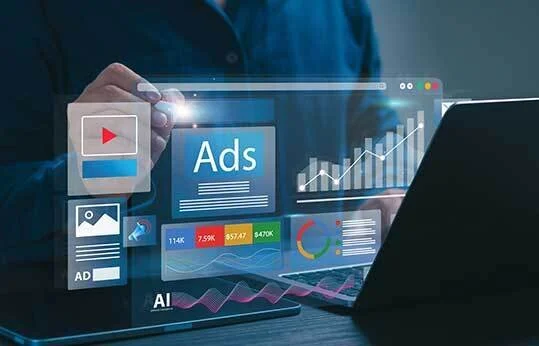
An example of pay-per-click (PPC) advertising can be found when you search for something like “running shoes” on Google. The top results are often labeled as “Ad” or “sponsored”, showing listings from various shoe companies that are using PPC advertising. These companies have bid on keywords related to running shoes, hoping to attract potential customers.
In this case, the shoe companies pay Google only when someone clicks on their ad. This allows them to target people who are specifically searching for products like theirs and are likely to be in the market for new shoes. By using PPC, these companies can quickly drive traffic to their website and potentially convert that traffic into sales. PPC gives businesses the power to attract high-intent customers—people who are actively looking for a product or service—without paying for ad impressions that don’t result in engagement.
SERP stands for Search Engine Results Page. It’s the page you see after you enter a query into a search engine like Google or Bing. The SERP shows a mix of organic search results—those that appear naturally based on relevance—and paid ads, which are often displayed at the top or bottom of the page and are part of PPC campaigns.
For example, let’s say you search for “best running shoes”. The SERP will show results that include product pages, reviews, and articles, as well as ads from companies bidding on keywords related to running shoes. For businesses, the goal is to appear prominently on the SERP—either through PPC, SEO, or both—to attract clicks and increase website traffic.
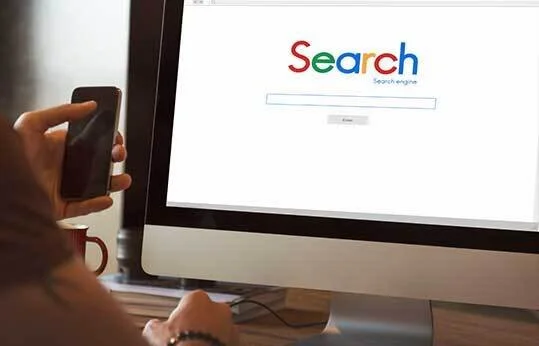
In Pay-Per-Click (PPC) advertising, various types of paid ads cater to different marketing goals and audience behaviors. Understanding the distinct types of paid ads can help you choose the right strategy to maximize your return on investment (ROI) and effectively reach your target audience. Here are the primary types of paid ads commonly used in PPC campaigns:
01
Search ads appear at the top or bottom of search engine results pages (SERPs) when users search for specific keywords related to your business. These text-based ads are highly effective for capturing intent-driven traffic, as they target users actively seeking products or services you offer.
Advantages:
02
Display ads are visual advertisements that appear on websites, blogs, and online platforms within the Google Display Network or other ad networks. These ads can include images, videos, and interactive elements, making them ideal for brand awareness and reaching a broader audience
Advantages:
03
Social media ads are paid advertisements that appear on social media platforms such as Facebook, Instagram, LinkedIn, Twitter, and Pinterest. These ads leverage the vast user data available on these platforms to target specific demographics, interests, and behaviors.
Advantages:
04
Shopping ads are product-based advertisements that appear on search engines like Google Shopping or within e-commerce platforms. These ads display product images, prices, and business names, allowing users to compare products directly within the search results.
Advantages:
05
Video ads are advertisements that play before, during, or after video content on platforms like YouTube, Vimeo, and various social media channels. These ads can range from short bumper ads to longer, more detailed commercials, providing an immersive way to convey your message.
Advantages:
06
Remarketing ads target users who have previously visited your website or interacted with your brand but did not complete a desired action, such as making a purchase. These ads help re-engage potential customers by displaying tailored ads as they browse other websites or social media platforms.
Advantages:
07
Native ads blend seamlessly with the content of the platform on which they appear, making them less intrusive and more engaging for users. These ads match the look and feel of the surrounding content, providing a natural advertising experience.
Advantages:
08
Interstitial ads are full-screen advertisements that appear between content pages or during transitions within an app or website. These ads are highly visible and can be used to capture the user’s attention before they continue browsing.
Advantages:
By leveraging the right mix of these paid ad types, you can create a robust PPC strategy that effectively reaches your target audience, drives traffic, and boosts conversions.
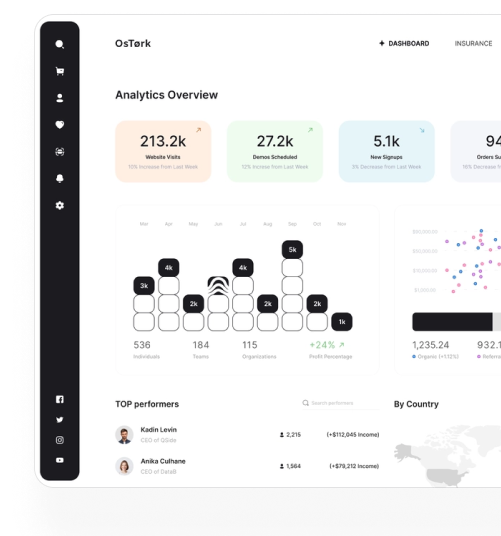
There are several popular platforms for pay-per-click (PPC) advertising, each with unique features, targeting options, and audience reach. Here are the most common ones:
01
The largest PPC platform, Google Ads, allows advertisers to place ads in Google search results and across the Google Display Network, YouTube, and other partner sites. Its reach is vast, and it’s highly customizable, making it the go-to choice for many businesses.
02
While smaller than Google, Microsoft Ads reach users on Bing, Yahoo, and AOL search engines. It’s a valuable alternative for businesses looking to diversify their PPC efforts, and often has less competition, resulting in lower costs per click.
03
Facebook Ads allow advertisers to reach users across Facebook, Instagram, Messenger, and Audience Network. The platform’s powerful targeting features let you specify your audience by demographics, interests, behaviors, and more. This makes it great for brand awareness and lead generation.
04
Part of Facebook Ads, Instagram’s visual platform allows businesses to reach users through feed posts, stories, and explore pages. It’s especially effective for brands that rely heavily on visuals, such as fashion, lifestyle, or food companies.
05
A professional networking platform, LinkedIn Ads are ideal for B2B advertising, allowing businesses to target specific industries, job titles, and companies. LinkedIn Ads work well for lead generation and professional services.
06
Twitter offers promoted tweets and ads targeting users based on interests, behaviors, and hashtags. It’s useful for real-time engagement and brand awareness, especially during events or trending topics.
07
Ideal for e-commerce businesses, Amazon PPC ads promote products directly in Amazon search results and product pages. It’s a powerful platform for sellers looking to increase visibility and sales in a highly competitive marketplace.
Each platform provides unique opportunities for businesses to reach their audience and achieve their marketing goals, depending on the nature of the business and its target audience.
The most used pay-per-click (PPC) platform is Google Ads. With billions of searches made every day, Google Ads offers unmatched reach across search results, the Google Display Network, and YouTube. It’s a favorite among businesses because it targets users actively searching for products or services, making it a highly effective tool for driving traffic and conversions.
Google Ads also offers flexibility in terms of budgeting, targeting, and ad formats. Advertisers can set precise keywords, use various ad types (such as search ads, display ads, and video ads), and reach their audience at different stages of the buying journey. This versatility makes Google Ads the dominant PPC platform for businesses of all sizes and industries.
Yes, pay-per-click (PPC) advertising can be highly worth it for many businesses, particularly those looking for immediate results and targeted traffic. One of the key advantages of PPC is that it allows you to target people who are actively searching for products or services like yours, meaning they are far more likely to convert into customers. Unlike traditional advertising methods that cast a wide net, PPC offers laser-focused precision, reaching exactly the people you want to attract.
Additionally, PPC gives you full control over your budget and lets you start with as little or as much as you want. Whether you’re looking to spend $10 a day or $1,000, PPC can scale to fit your needs. You can also adjust your campaigns in real-time, tweaking ad copy, targeting, or bidding strategies based on how well your ads are performing.
Another benefit is the ability to measure results. PPC platforms provide comprehensive data, so you can track clicks, impressions, conversions, and more. This means you can easily see which ads are working, refine your strategy, and improve your return on investment (ROI). Ultimately, PPC can be a valuable tool for generating leads, increasing sales, and growing your business.
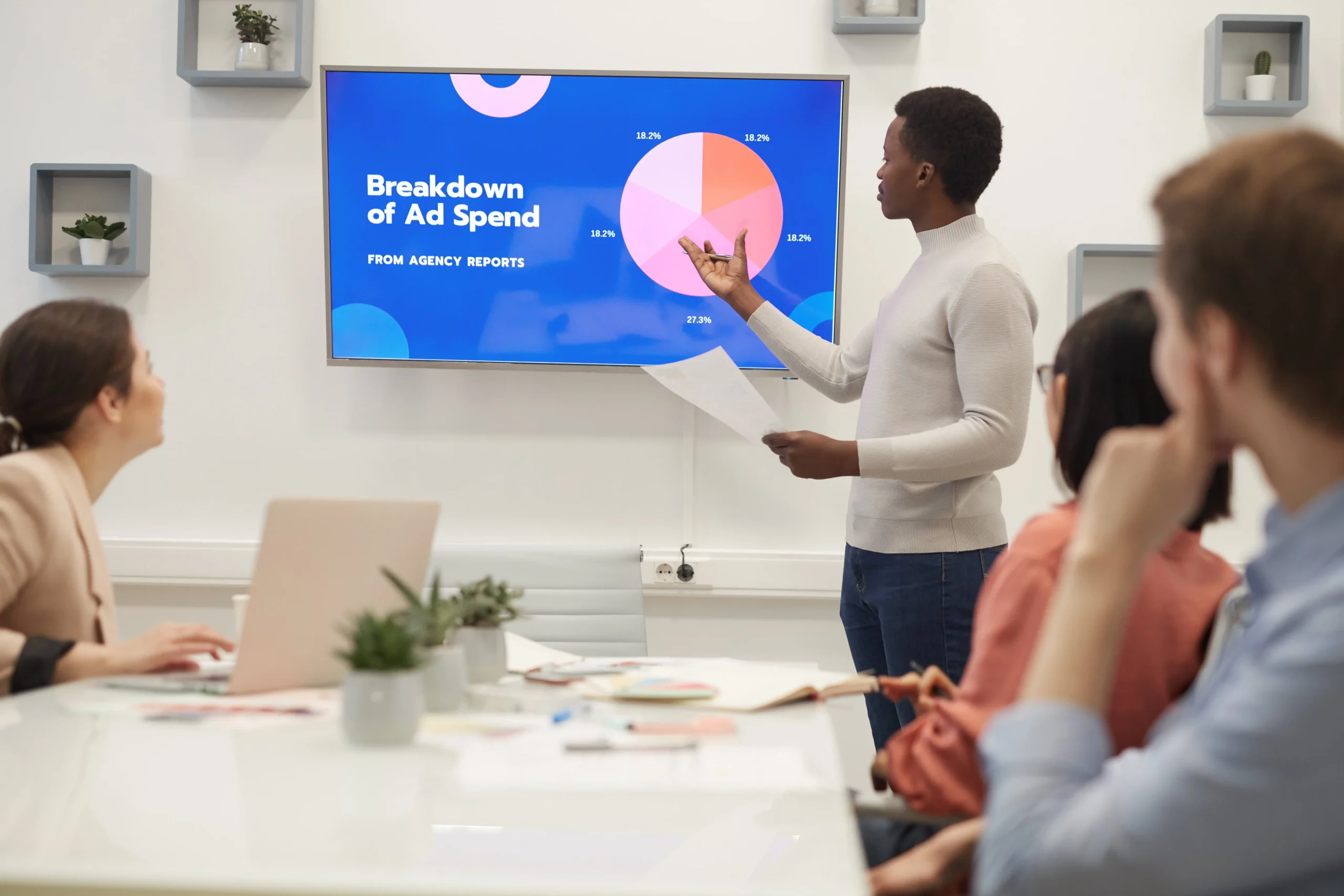
Pay-per-click (PPC) advertising can start working almost immediately once your ads go live. As soon as your ad is approved, it will begin appearing in search results or across the chosen platform, depending on your targeting settings. You can begin seeing clicks and traffic to your site within hours or days, making it a fast-acting advertising solution.
However, while results can be quick, optimizing a PPC campaign for the best outcomes can take some time. Fine-tuning your campaign by adjusting bids, targeting, and ad copy can take a few weeks or months. Factors like the competitiveness of your keywords, your industry, and the effectiveness of your landing pages can influence how quickly you see significant conversions or sales.
For instance, improving your Click-Through Rate (CTR) or lowering your Cost Per Click (CPC) usually involves running tests, analyzing performance, and making gradual changes. In general, PPC provides quick visibility, but seeing a strong return on investment (ROI) may take time and ongoing adjustments.
Conversions are actions that show a visitor has taken a desired action on your website after clicking your PPC ad. Here are some common examples of conversions you can track in a pay-per-click campaign:
Purchases or Sales: When a user clicks on your ad and completes a purchase on your website. This is the most straightforward type of conversion for e-commerce businesses.
Form Submissions: Users filling out a contact form, requesting a quote, or subscribing to a newsletter. These actions are valuable for lead generation.
Phone Calls: If your ad encourages someone to call your business directly (especially useful for local businesses), and they do so through a click-to-call extension, it’s considered a conversion.
Downloads: If you offer downloadable resources like eBooks, whitepapers, or software, each download can be tracked as a conversion.
Sign-ups: When someone registers for an event, webinar, or creates an account on your website, it’s a valuable conversion that often signals a potential long-term relationship.
Page Views: Tracking visits to specific pages on your site (like a pricing or service page) can also be recorded as conversions, especially if visiting those pages is a key part of your sales funnel.
These conversions allow you to measure the success of your PPC campaign beyond just clicks. It helps you understand how well your ads are driving meaningful interactions with your website.
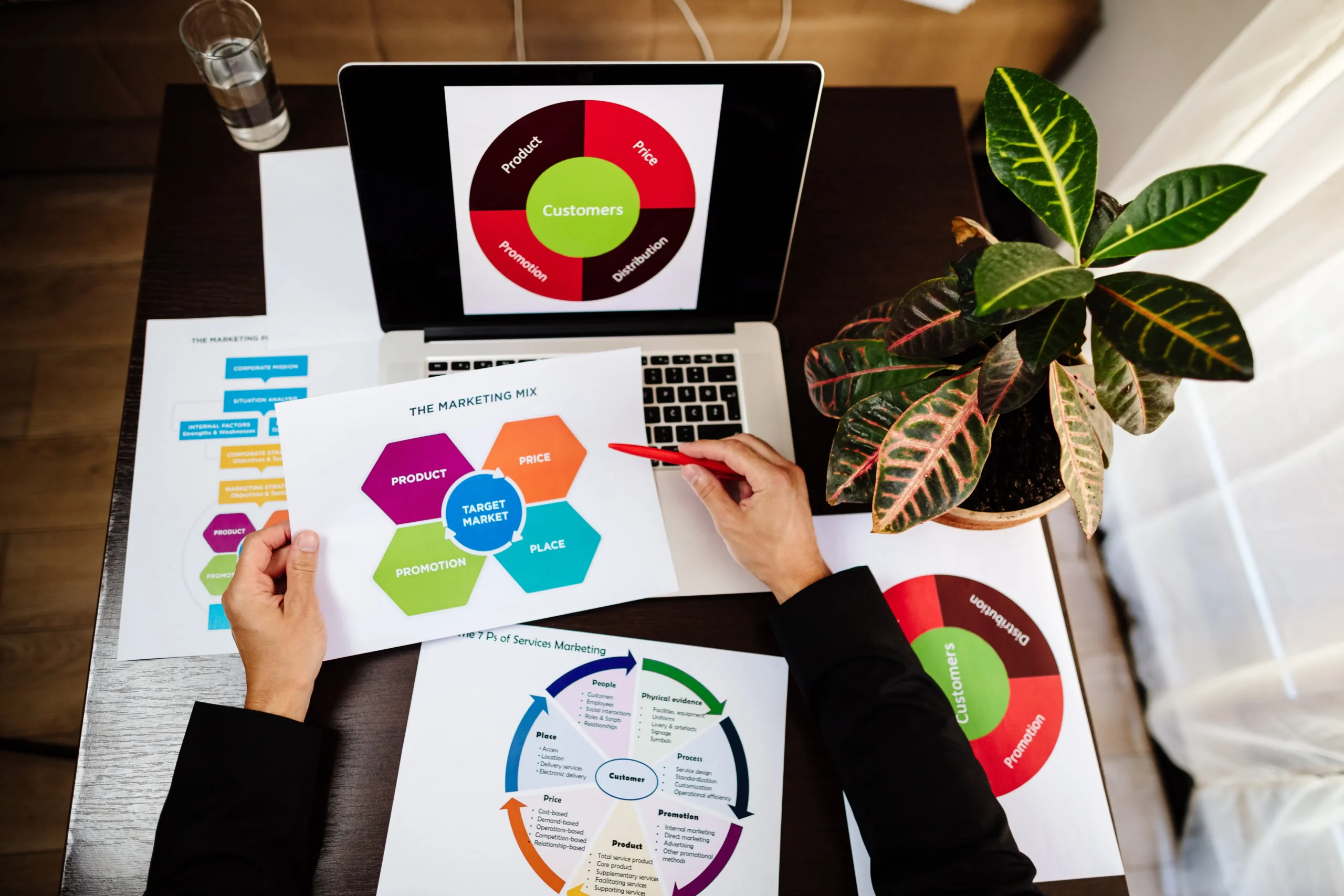

Turn Clicks Into Customers with PPC
Pay-per-click (PPC) advertising is an essential tool in the digital marketing landscape, offering businesses a fast and targeted way to reach potential customers. With platforms like Google Ads, Facebook Ads, and others, PPC allows you to connect with people actively searching for your products or services, giving you a competitive edge in attracting valuable traffic.
From understanding how the PPC model works to optimizing your cost-per-click (CPC) and tracking conversions, PPC offers measurable, actionable insights that help businesses maximize their return on investment. PPC can be tailored to suit your goals and budget, offering both flexibility and precision in your marketing efforts.
While PPC provides immediate visibility, combining it with other strategies like SEO can deliver greater long-term success. Together, these approaches allow your business to not only attract customers now but continue to grow organically over time. When managed effectively, PPC can be a powerful part of any digital marketing strategy, driving conversions, building brand awareness, and delivering measurable results.


01
Website design is about more than looks. It’s about ensuring that your website functions flawlessly across all devices.
02
That’s why we specialize in responsive web design and mobile optimization. We’ll make sure your website looks and works great on any phone, tablet, or other device.
03
This process can involve additional code and redesign. The differences in operating systems, screen size, and interface between devices can result in different layouts being optimal.
04
Our talented staff excel at keeping the identity and feel of a website intact when adapting it to work across devices.

01
Let us keep your website secure, fast, and smooth. At Nustream, we’ll make sure you have nothing to worry about.
02
In a world of increasing digital threat, good hosting and security are more important than ever. We will go beyond Distributed Denial of Service (DDoS) protection, hack prevention, and Secure Sockets Layer (SSL) certificates.
03
Our services include backups, restoration, network monitoring, malware scanning and removal, and file management.
04
We use cutting-edge cloud systems to ensure you get the safest, fastest hosting available.

01
Nustream uses cutting-edge tools and research to outmatch the competition.
02
We leverage machine learning and intelligent tools to produce top results without losing the human touch.
03
This allows our prompt engineers to output high-quality results efficiently, allowing them to focus on both the big picture and fine details.

01
Creativity needs to be guided by cutting-edge data and analytics. Our team has a deep understanding of the algorithms that power PPC advertising.
02
We use this knowledge to ensure that your ads are shown to the right people at the right time. As the ads run, our campaign management services provide ongoing maintenance to ensure that your ads are always improving.
03
Our goal is to help you achieve the highest possible return on your investment in paid search advertising.
04
That’s why we Emphasize algorithm training and research as a continuous practice.

01
But on-page optimization is only part of the equation. We also specialize in off-page and off-site optimization.
02
Off-page SEO can include technical aspects of your site and its structure.
03
Off-site SEO involves several digital channels. Quality domains referring high-quality backlinks to your site are essential in competitive fields. Social media engagement is one of the most powerful ways to generate organic interest in your business.
04
Directories and other forms of emerging digital media provide incredible opportunities for growth.

01
Starting with seed keywords we build an exhaustive list of keywords used in your industry.
02
Next, we use a variety of keyword research tools to identify the keywords and phrases that your target audience is searching.
03
Then, we coordinate content and metadata based on what your audience members are looking for right now, also called search intent.
04
This helps us optimize your website’s content to make it more relevant and useful to your target audience.

01
Do you sell products online? Our eCommerce development services can help you launch a professional, secure, and intuitive online store.
02
From product listings to payment processing, we’ll take care of everything you need to get your eCommerce business up and running.
03
At Nustream, we believe that great website design and development is the foundation of any successful online marketing strategy.
04
That’s why we start every contract with an assessment of your company’s online presence.


Immediate Traffic

Targeted Ads

Measurable Results

Cost Control

Brand Exposure

High ROI

Flexible Budgeting

Geotargeting

Remarketing Capabilities
Ad Customization
Frequently asked questions about pay per click.


What are the 4 types of pay per click?
The 4 main types of digital marketing are Search Engine Optimization (SEO), Pay-Per-Click advertising (PPC), Social Media Marketing (SMM), and Content marketing such as blogging or sharing images and videos.
1. Search Engine Optimization (SEO) – This involves optimizing a website to improve its visibility and ranking in search engine results pages.
2. Pay-Per-Click Advertising (PPC) – This involves placing advertisements on search engines or other websites, and paying each time a user clicks on the advertisement.
3. Social Media Marketing (SMM) – This involves promoting a product or service through social media platforms such as Facebook, Instagram, and Twitter.
4. Content Marketing – This involves creating and sharing valuable content, such as blog posts, videos, and infographics, to attract and engage an audience and drive profitable customer action.
By utilizing a combination of these 4 types of digital marketing, businesses can reach a wider audience and drive more traffic to their website, leading to increased leads and sales.
What does digital marketing do?
Digital marketing refers to the use of digital channels, such as search engines, social media, email, and websites, to promote a product or service. The goal of digital marketing is to reach a target audience and drive profitable customer action, such as increased sales and brand awareness.
Digital marketing allows businesses to reach a wider audience and personalize their marketing efforts through data-driven strategies and targeting. It provides businesses with the opportunity to interact with customers in real-time, gather insights and feedback, and measure the success of their marketing efforts.
Overall, digital marketing helps businesses achieve their marketing goals by utilizing the vast potential of the internet and digital technologies.
What is an example of digital marketing?
An example of digital marketing is a company creating a social media campaign to promote its new product. The company could post engaging content on its social media accounts, such as videos, images, and user-generated content, to create interest and drive engagement among its followers.
The campaign could also include targeted advertisements on social media, reaching users who are interested in the product based on their browsing and purchasing behavior. The company could also use email marketing to reach their subscribers with personalized content and exclusive offers related to the product.
By using a combination of these digital marketing strategies, the company could reach a wider audience, increase brand awareness, and drive sales for its new product. This is just one example of how a company can utilize digital marketing to achieve its marketing goals.
Is digital marketing Easy?
Digital marketing can be both easy and challenging, depending on the specific tactics and strategies involved. Some aspects of digital marketing, such as setting up social media accounts or creating basic email campaigns, can be straightforward and easy to implement.
However, more complex tactics, such as search engine optimization (SEO) or running targeted advertising campaigns, can require specialized knowledge and skills, and may be more challenging for beginners.
Additionally, digital marketing is constantly evolving, with new technologies and platforms emerging all the time. This can make it challenging for marketers to keep up and remain effective.
Overall, while digital marketing can be approachable for some, it can also be a complex and ever-changing field that requires ongoing learning and adaptation. Whether it is considered easy or not will depend on the individual’s background and experience.
1. Search Engine Optimization (SEO) – This involves optimizing a website to improve its visibility and ranking in search engine results pages.
2. Pay-Per-Click Advertising (PPC) – This involves placing advertisements on search engines or other websites, and paying each time a user clicks on the advertisement.
3. Social Media Marketing (SMM) – This involves promoting a product or service through social media platforms such as Facebook, Instagram, and Twitter.
4. Content Marketing – This involves creating and sharing valuable content, such as blog posts, videos, and infographics, to attract and engage an audience and drive profitable customer action.
By utilizing a combination of these 4 types of digital marketing, businesses can reach a wider audience and drive more traffic to their website, leading to increased leads and sales.
Do you have a digital marketing or web project in mind?
We’d love to hear from you. Our web marketing and development teams can help you launch your new strategy today! We want to give you the BEST internet marketing solution YOU want for your brand.
[gravityform id=”1″ title=”true” ajax=”true”]
Get a performance report for your website with us.