








Due to the advent of streaming, television remains one of the most powerful mediums for advertising, offering businesses the opportunity to reach vast and diverse audiences. TV commercial production is a multifaceted process that transforms creative concepts into engaging visual narratives designed to promote products, services, or brands.

Transforming ideas into compelling narratives.

Crafting engaging scripts that speak to your audience.

Utilizing cutting-edge technology and experienced professionals for a flawless execution.

Fine-tuning all the details for perfect videos.

Strategic placement for maximum reach and ROI.

Measuring success and planning for future media campaigns.
TV commercial production is the entire process of creating television advertisements, from the initial idea to the final broadcast-ready product. It involves a series of coordinated efforts, including concept development, scriptwriting, storyboarding, casting, filming, editing, and post-production enhancements. The primary goal is to produce compelling commercials that effectively communicate a brand’s message and resonate with the target audience.
At the heart of TV commercial production is the art of storytelling. Producers and creative teams work collaboratively to craft narratives that capture viewers’ attention within seconds and leave a lasting impression. This requires a deep understanding of the brand’s identity, the product or service being promoted, and the preferences and behaviors of the intended audience. By combining creative vision with technical expertise, TV commercial production transforms abstract ideas into vivid, persuasive messages that can influence consumer behavior.

A successful TV commercial effectively communicates its message, resonates with the audience, and prompts action. Several key elements contribute to creating a compelling advertisement.

The commercial should convey the main points succinctly, so that viewers understand the product or service being advertised and its benefits. Simplicity aids in retention and comprehension.
High production quality, including sharp visuals and clear audio, enhances professionalism and keeps viewers engaged. Creative cinematography and sound design add to the appeal.
Connecting with viewers on an emotional level makes the commercial more memorable and impactful. Emotions like humor, empathy, excitement, or inspiration, drive engagement.
A compelling narrative captures attention and maintains interest throughout the commercial. Stories help humanize the brand and make the message relatable.
The brand should be prominently featured and integrated naturally into the narrative. Consistent use of logos, colors, and taglines reinforces brand recognition.
The commercial should prompt viewers to take a specific next step, such as visiting a website, calling a number, or making a purchase. A clear and compelling CTA enhances conversion.
By thoughtfully incorporating these elements, you can create TV commercials that not only attract attention but also drive desired outcomes.
Producing a TV commercial involves several critical steps that transform a creative idea into a broadcast-ready advertisement. Understanding this process helps to keep a smooth workflow and a successful final product.
01
The journey begins with generating a creative idea that aligns with the brand’s message and resonates with the target audience. This involves brainstorming sessions, market research, and exploring various themes and storytelling techniques. The concept serves as the foundation for the entire project, guiding all subsequent decisions.
02
Once the concept is solidified, the idea is translated into a script. The script outlines the dialogue, actions, and visual elements of the commercial, serving as a blueprint for the production team. It communicates the message effectively and coherently within the allotted time, typically 15 to 60 seconds.
03
Storyboards provide a visual representation of each scene, depicting camera angles, movements, and transitions. This step helps the production team visualize the commercial before filming begins, identifying potential challenges and making necessary adjustments. Storyboarding facilitates clear communication among team members and aligns the final product with the creative vision.
04
Selecting the right actors and assembling a skilled production crew are crucial for bringing the script to life. Casting involves finding talent that embodies the brand’s image and appeals to the target audience. Meanwhile, assembling an experienced crew creates technical excellence during filming.
05
Identifying suitable filming locations enhances the commercial’s authenticity and aesthetic appeal. This may involve scouting real-world settings that match the script’s requirements or setting up shoots in studios equipped with the necessary facilities. Factors such as accessibility, cost, and permissions are considered during this stage.
06
During production, the team captures the footage according to the script and storyboard. The director oversees the creative and technical aspects, guiding actors and crew to execute each scene effectively. Attention to detail in lighting, sound, and performance quality is paramount to produce high-quality raw material for post-production.
07
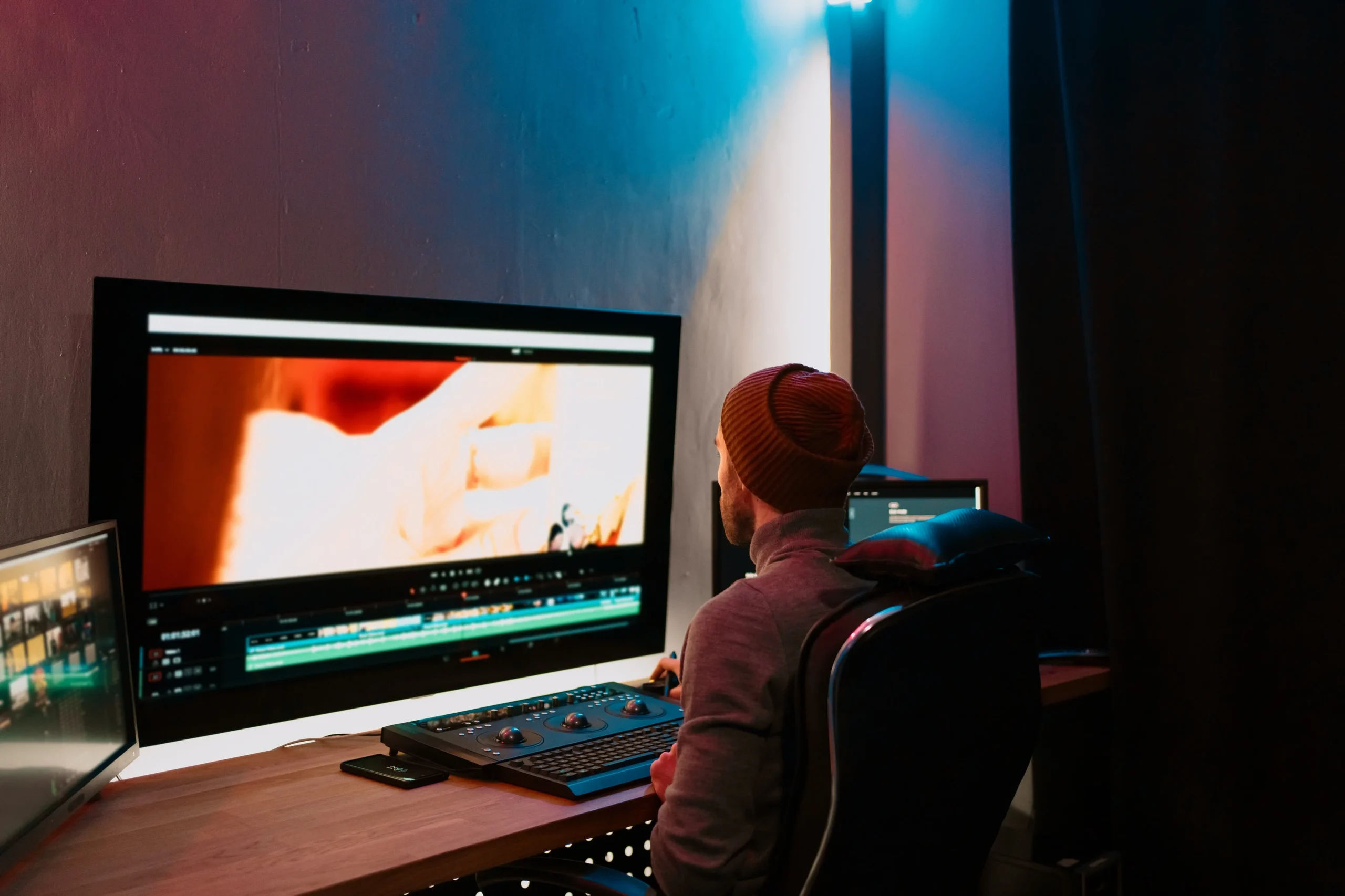
In this phase, editors assemble the captured footage, adding visual effects, graphics, music, and sound effects to enhance the commercial’s impact. Color grading and sound mixing refine the aesthetic and auditory elements, creating a cohesive and engaging final product. Post-production is where the commercial truly comes to life, transforming raw footage into a polished advertisement
08
The initial cut of the commercial is reviewed by the client and creative team. Feedback is gathered, and revisions are made to address any concerns or enhance specific aspects. This collaborative process may involve multiple rounds of editing to make sure the commercial meets the desired standards and objectives.
8
The final step involves preparing the commercial for broadcast. This includes formatting the video according to technical specifications required by television networks, complying with advertising regulations, and delivering the files to the appropriate channels for airing. Proper preparation of the commercial eliminates the possibility of technical issues. It also helps reach the intended audience effectively.

Producing a high-quality TV commercial involves meticulous planning, creative vision, and collaboration with experienced professionals.
01
Start with a creative idea that aligns with your brand’s values and resonates with your target audience. The concept should differentiate your product or service and convey a clear message.
02
Hire experienced directors, writers, actors, and crew members who can bring expertise and creativity to the project. Their skills are essential for executing the concept effectively.
03
Thorough preparation, including scriptwriting, storyboarding, casting, and location scouting, lays the groundwork for a smooth production process. Attention to detail at this stage prevents issues later on.
04
Employ professional-grade cameras, lighting, and sound equipment to enhance production value. Technical excellence contributes to the commercial’s overall impact.
05
During filming, prioritize performance quality, cinematography, and sound recording. The director sees to it that each scene aligns with the creative vision and technical standards.
06
Skilled editing, color grading, sound mixing, and the addition of visual effects or graphics enhance the commercial’s polish. Post-production is crucial for fine-tuning pacing and reinforcing the message.
07
Review the commercial thoroughly to be sure that it meets broadcast standards and complies with all regulations.
By following these best practices and maintaining a commitment to quality at every stage, you can produce a TV commercial that effectively communicates your message and resonates with viewers.
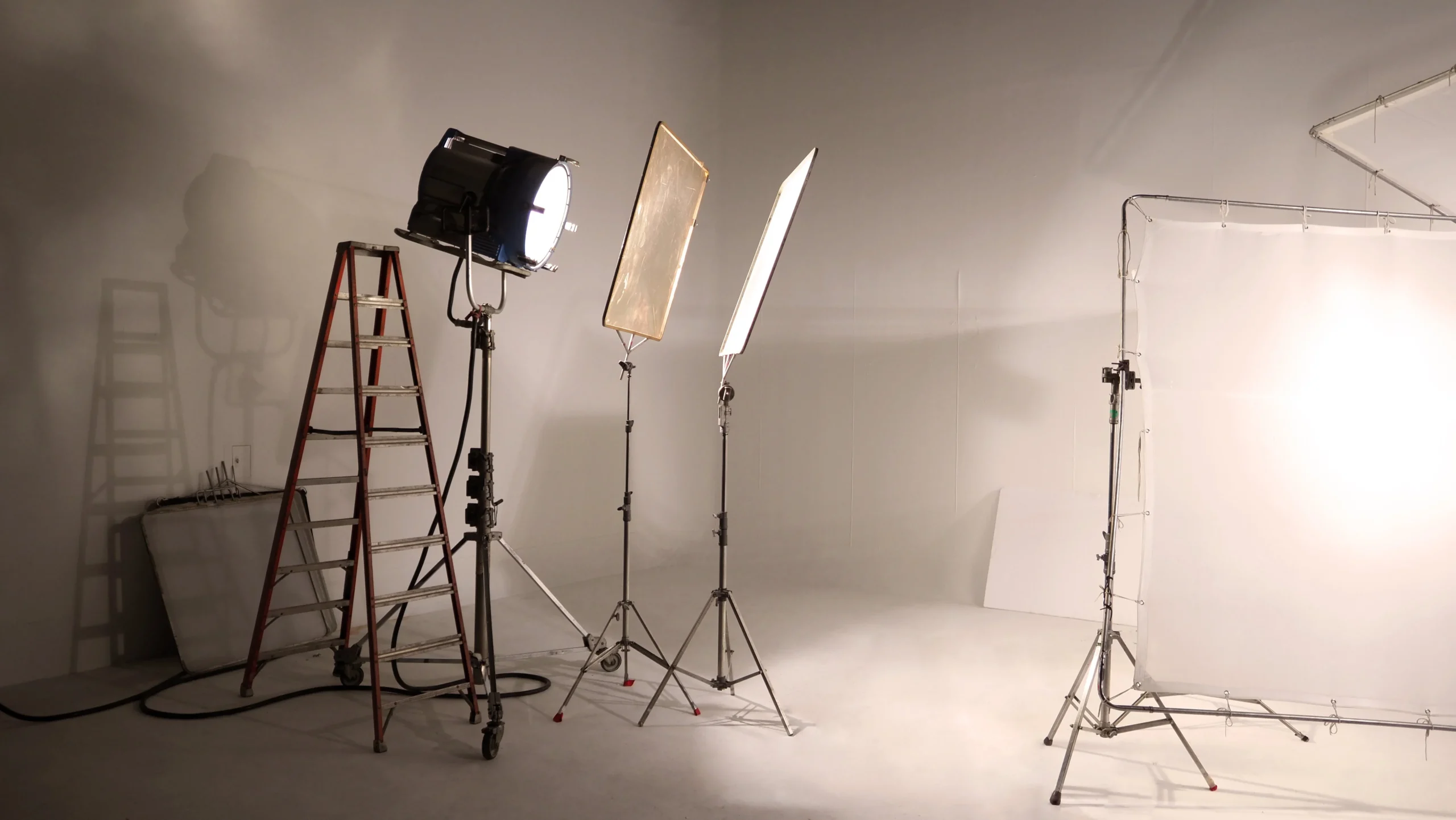
Producing a high-quality TV commercial requires professional-grade equipment to capture superior visuals and audio. Essential equipment includes:
01
High-definition or 4K cameras, such as those from the ARRI Alexa or RED series, provide exceptional image quality. These cameras offer advanced features like dynamic range and frame rate control, essential for professional-grade footage.
02
A variety of lenses allows for creative flexibility in shot composition and depth of field. Wide-angle, telephoto, and prime lenses each serve specific purposes, enabling the cinematographer to achieve the desired visual effects.
03
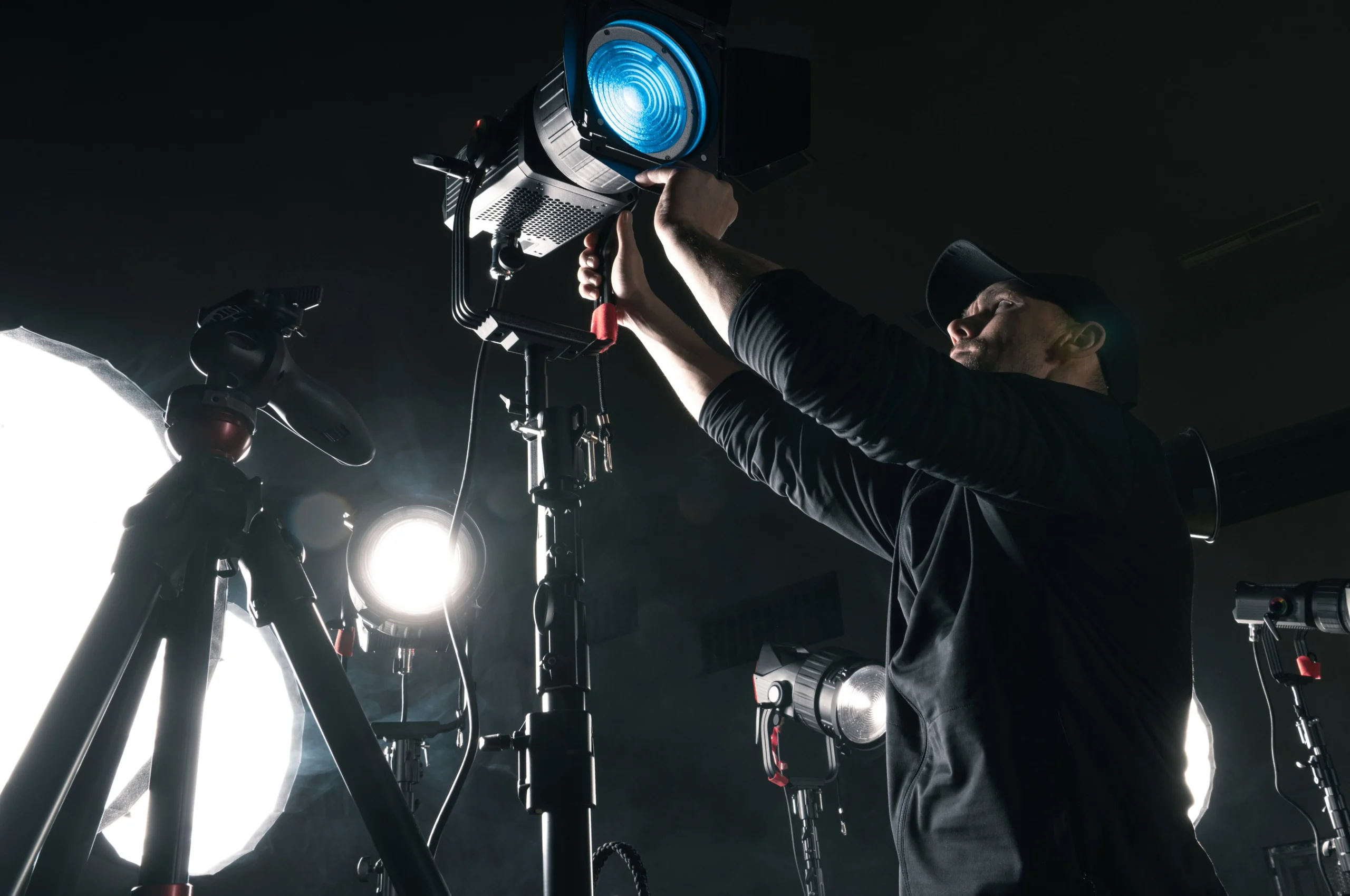
Professional lighting setups, including LED panels, softboxes, and reflectors, are crucial for creating the right ambiance and making sure subjects are well-lit. Proper lighting enhances the visual appeal and helps convey the intended mood.
04
High-quality microphones (e.g., shotgun, lavalier) and audio recorders capture clear and crisp audio. Sound quality is as important as visual quality, as poor audio can detract significantly from the viewer’s experience.
05
Tripods, steadicams, and gimbals help achieve smooth and stable footage. These tools are essential for professional-looking shots, especially during movement or tracking scenes.
06
Depending on the creative concept, additional equipment such as drones for aerial shots, cranes, sliders, or green screens for special effects may be used. These tools expand the possibilities for unique and dynamic visuals.
07
Professional software like Adobe Premiere Pro, Final Cut Pro, and DaVinci Resolve are used for editing, while Adobe After Effects handles visual effects and motion graphics.
Access to high-quality equipment enhances the production value of the commercial, making it more engaging and effective. Many production companies either own this equipment or have partnerships that allow them to utilize it, guaranteeing that technical excellence is maintained throughout the project.
The timeline for producing a TV commercial can range from a few weeks to several months, depending on the project’s complexity and scale. Pre-production activities like concept development, scriptwriting, storyboarding, casting, and location scouting typically take between two to six weeks. This phase is crucial for thorough planning and reduces the likelihood of issues during filming.
Filming itself usually spans one to five days. This is influenced by the number of scenes, locations, and complexity of the shots. Simple commercials may be filmed in a single day, while more elaborate productions require additional time. Post-production efforts, including editing, visual effects, and sound design, can take anywhere from two to eight weeks. The duration depends on the amount of footage and the level of detail involved in the enhancements.
Additional time is allocated for reviewing the commercial, making revisions, and preparing it for distribution. Delays can occur due to factors such as talent availability, weather conditions for outdoor shoots, regulatory approvals, or scheduling conflicts. Effective project management and clear communication among all parties help mitigate delays and keep the production on schedule.
Investing in professional TV commercial production services offers numerous benefits that can significantly impact the success of your advertising campaign. Professionals bring specialized skills, experience, and resources that elevate the quality of the commercial so it effectively reaches and resonates with your target audience. Some benefits include:
01
Professional producers and creative teams have extensive experience crafting narratives that engage viewers and convey brand messages effectively. They understand the nuances of storytelling, pacing, and visual communication, enabling them to create commercials that stand out.
02
Skilled professionals take care of all technical aspects—including cinematography, lighting, sound recording, and editing in line with industry standards. This technical excellence enhances the commercial’s credibility and appeal.
03
Professionals have access to high-end equipment, studios, and talent networks, which can be leveraged to enhance the production. They can secure locations, negotiate permits, and manage logistics more efficiently.
04
Professional production services streamline the process, managing timelines, budgets, and coordination. Their experience reduces the likelihood of costly mistakes and delays.
05
Understanding and adhering to advertising regulations and broadcast standards are critical. Professionals make sure that the commercial complies with all legal requirements, avoiding potential fines or issues with airing.
06
Experienced professionals bring valuable insights into market trends, audience preferences, and effective advertising strategies. They can tailor the commercial to maximize impact and return on investment.
By partnering with professional production services, businesses can produce high-quality commercials that effectively communicate their message and achieve their marketing objectives.

Television advertising offers several compelling advantages that make it a valuable component of a comprehensive marketing strategy.
01
TV remains one of the most effective mediums for reaching large audiences across various demographics. It allows brands to connect with potential customers on a national or even global scale.
02
Viewers are often more attentive to television content, including commercials, compared to other forms of media. The combination of audio and visual elements captures attention and enhances message retention.
03
Television commercials can tell stories that evoke emotions, build connections, and influence consumer behavior. The ability to create emotional resonance is a powerful tool for brand building.
04
Ads aired on reputable television networks benefit from the credibility associated with these channels. Consumers often perceive TV-advertised brands as more trustworthy and established.
05
Regular exposure through TV advertising increases brand recognition and recall. Memorable commercials can leave lasting impressions that influence future purchasing decisions.
06
TV advertising can complement digital strategies by driving traffic to websites or social media platforms. Integrated campaigns that combine TV and online efforts can amplify reach and effectiveness.
Despite the rise of digital media, television advertising remains a potent means of communication that can yield significant results when executed effectively.

TV commercials continue to be highly effective in influencing consumer behavior and driving sales. Their effectiveness is attributed to several factors.
When integrated into a well-planned marketing strategy, TV commercials can significantly boost brand awareness, shape consumer perceptions, and drive sales.

The cost of producing a TV commercial varies widely, influenced by several key factors such as the complexity of the concept, production quality desired, talent fees, special effects, and the length of the commercial. A simple local advertisement might cost a few thousand dollars, while a high-end national campaign could run into hundreds of thousands or even millions.
Ultimately, the total cost depends on the specific needs of the project and the level of quality the brand aims to achieve. Careful budgeting and collaboration with experienced professionals can help manage expenses while delivering an effective advertisement.
TV commercial production is a complex yet rewarding endeavor that offers businesses the opportunity to connect with audiences in a powerful way. Using expert video production, brands can create compelling advertisements that drive engagement and achieve marketing objectives.
Investing in high-quality TV commercials can significantly enhance brand visibility, credibility, and influence consumer behavior. Whether launching a new product, building brand awareness, or entering new markets, television advertising remains a valuable tool in a comprehensive marketing strategy.
Contact us today to discover how our professional TV commercial production services can help you reach your target audience effectively. Partner with us to create commercials that captivate viewers and drive revenue.


01
Website design is about more than looks. It’s about ensuring that your website functions flawlessly across all devices.
02
That’s why we specialize in responsive web design and mobile optimization. We’ll make sure your website looks and works great on any phone, tablet, or other device.
03
This process can involve additional code and redesign. The differences in operating systems, screen size, and interface between devices can result in different layouts being optimal.
04
Our talented staff excel at keeping the identity and feel of a website intact when adapting it to work across devices.

01
Let us keep your website secure, fast, and smooth. At Nustream, we’ll make sure you have nothing to worry about.
02
In a world of increasing digital threat, good hosting and security are more important than ever. We will go beyond Distributed Denial of Service (DDoS) protection, hack prevention, and Secure Sockets Layer (SSL) certificates.
03
Our services include backups, restoration, network monitoring, malware scanning and removal, and file management.
04
We use cutting-edge cloud systems to ensure you get the safest, fastest hosting available.

01
Nustream uses cutting-edge tools and research to outmatch the competition.
02
We leverage machine learning and intelligent tools to produce top results without losing the human touch.
03
This allows our prompt engineers to output high-quality results efficiently, allowing them to focus on both the big picture and fine details.

01
Creativity needs to be guided by cutting-edge data and analytics. Our team has a deep understanding of the algorithms that power PPC advertising.
02
We use this knowledge to ensure that your ads are shown to the right people at the right time. As the ads run, our campaign management services provide ongoing maintenance to ensure that your ads are always improving.
03
Our goal is to help you achieve the highest possible return on your investment in paid search advertising.
04
That’s why we Emphasize algorithm training and research as a continuous practice.

01
But on-page optimization is only part of the equation. We also specialize in off-page and off-site optimization.
02
Off-page SEO can include technical aspects of your site and its structure.
03
Off-site SEO involves several digital channels. Quality domains referring high-quality backlinks to your site are essential in competitive fields. Social media engagement is one of the most powerful ways to generate organic interest in your business.
04
Directories and other forms of emerging digital media provide incredible opportunities for growth.

01
Starting with seed keywords we build an exhaustive list of keywords used in your industry.
02
Next, we use a variety of keyword research tools to identify the keywords and phrases that your target audience is searching.
03
Then, we coordinate content and metadata based on what your audience members are looking for right now, also called search intent.
04
This helps us optimize your website’s content to make it more relevant and useful to your target audience.

01
Do you sell products online? Our eCommerce development services can help you launch a professional, secure, and intuitive online store
02
From product listings to payment processing, we’ll take care of everything you need to get your eCommerce business up and running.
03
At Nustream, we believe that great website design and development is the foundation of any successful online marketing strategy.
04
That’s why we start every contract with an assessment of your company’s online presence.


Broader Reach

Generate Leads

Build Loyalty

Boost Sales

Save Money

Measure Results

Adapt Strategies

Enhance Reputation

Increase ROI
Long-Term Growth
Frequently asked questions about digital marketing.


What are the 4 types of digital marketing?
The 4 main types of digital marketing are Search Engine Optimization (SEO), Pay-Per-Click advertising (PPC), Social Media Marketing (SMM), and Content marketing such as blogging or sharing images and videos.
Search Engine Optimization (SEO) – This involves optimizing a website to improve its visibility and ranking in search engine results pages.
Pay-Per-Click Advertising (PPC) – This involves placing advertisements on search engines or other websites, and paying each time a user clicks on the advertisement.
Social Media Marketing (SMM) – This involves promoting a product or service through social media platforms such as Facebook, Instagram, and Twitter.
Content Marketing – This involves creating and sharing valuable content, such as blog posts, videos, and infographics, to attract and engage an audience and drive profitable customer action.
By utilizing a combination of these 4 types of digital marketing, businesses can reach a wider audience and drive more traffic to their website, leading to increased leads and sales.
What does digital marketing do?
Digital marketing refers to the use of digital channels, such as search engines, social media, email, and websites, to promote a product or service. The goal of digital marketing is to reach a target audience and drive profitable customer action, such as increased sales and brand awareness.
Digital marketing allows businesses to reach a wider audience and personalize their marketing efforts through data-driven strategies and targeting. It provides businesses with the opportunity to interact with customers in real-time, gather insights and feedback, and measure the success of their marketing efforts.
Overall, digital marketing helps businesses achieve their marketing goals by utilizing the vast potential of the internet and digital technologies.
What is an example of digital marketing?
An example of digital marketing is a company creating a social media campaign to promote its new product. The company could post engaging content on its social media accounts, such as videos, images, and user-generated content, to create interest and drive engagement among its followers.
The campaign could also include targeted advertisements on social media, reaching users who are interested in the product based on their browsing and purchasing behavior. The company could also use email marketing to reach their subscribers with personalized content and exclusive offers related to the product.
By using a combination of these digital marketing strategies, the company could reach a wider audience, increase brand awareness, and drive sales for its new product. This is just one example of how a company can utilize digital marketing to achieve its marketing goals.
Is digital marketing Easy?
Digital marketing can be both easy and challenging, depending on the specific tactics and strategies involved. Some aspects of digital marketing, such as setting up social media accounts or creating basic email campaigns, can be straightforward and easy to implement.
However, more complex tactics, such as search engine optimization (SEO) or running targeted advertising campaigns, can require specialized knowledge and skills, and may be more challenging for beginners.
Additionally, digital marketing is constantly evolving, with new technologies and platforms emerging all the time. This can make it challenging for marketers to keep up and remain effective.
Overall, while digital marketing can be approachable for some, it can also be a complex and ever-changing field that requires ongoing learning and adaptation. Whether it is considered easy or not will depend on the individual’s background and experience.
Search Engine Optimization (SEO) – This involves optimizing a website to improve its visibility and ranking in search engine results pages.
Pay-Per-Click Advertising (PPC) – This involves placing advertisements on search engines or other websites, and paying each time a user clicks on the advertisement.
Social Media Marketing (SMM) – This involves promoting a product or service through social media platforms such as Facebook, Instagram, and Twitter.
Content Marketing – This involves creating and sharing valuable content, such as blog posts, videos, and infographics, to attract and engage an audience and drive profitable customer action.
By utilizing a combination of these 4 types of digital marketing, businesses can reach a wider audience and drive more traffic to their website, leading to increased leads and sales.
Do you have a digital marketing or web project in mind?
We’d love to hear from you. Our web marketing and development teams can help you launch your new strategy today! We want to give you the BEST internet marketing solution YOU want for your brand.
[gravityform id=”1″ title=”true” ajax=”true”]
Get a performance report for your website with us.